Huggie Type: A Warm Handwritten Font for Brands
I was staring at a stack of blank product labels for my new line of artisanal candles, feeling the familiar weight of indecision. The packaging looked clean, but it lacked soul. It felt sterile, like something mass-produced in a factory rather than hand-poured in a small studio. I needed a way to translate the cozy, comforting scent of lavender and vanilla into a visual element that customers could see before they even opened the jar. That is when I discovered Huggie Type, a font designed to give your designs a warm, fuzzy feeling. As a creative consultant who helps small businesses refine their brand identity, I have seen how the right choice of Fonts can transform a generic logo into a memorable story. This review explores how this specific typeface acts as a digital hug for your business materials.
Huggie Type for Cozy Product Labels and Packaging Design
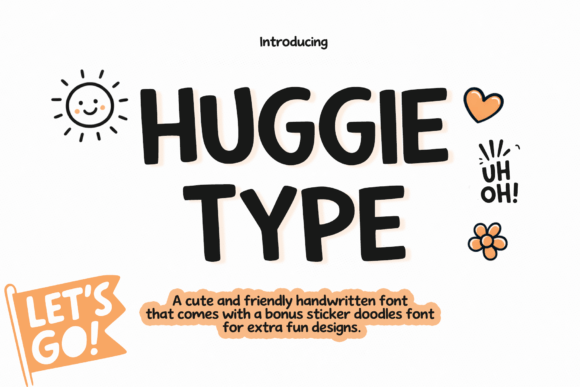
When you are designing physical products, typography is often the first thing a customer reads, and Huggie Type immediately sets a tone of approachability. Unlike rigid Sans Serif fonts that can feel corporate or distant, this "cute and friendly handwritten font" features thick, soft strokes that mimic the natural flow of a marker on paper. I tested it on a mock-up for a bakery box, replacing a standard geometric font with Huggie Type, and the difference was instant. The rounded terminals on the letters softened the entire design, making the product feel more inviting and trustworthy. For small business owners selling handmade goods, skincare, or comfort foods, this display font creates an emotional connection that standard typefaces simply cannot achieve. It signals to the buyer that there is a human behind the brand, someone who cares about the details.
The versatility of these Fonts extends beyond just headlines. While it shines as a primary title on packaging, its readability remains high enough for short phrases like "Handmade with Love" or "Organic Ingredients." The thick strokes ensure that even when printed on textured paper or matte finishes, the text remains legible without losing its charm. If you are looking to upgrade your packaging design from generic to premium, integrating Huggie Type can be the catalyst that makes your brand stand out on a crowded shelf.
Using Huggie Type for Social Media Graphics and Digital Branding
In the digital realm, where attention spans are short, your visuals need to stop the scroll, and Huggie Type excels at grabbing eyes on Instagram stories and Facebook ads. The description of the font as being "like a big hug on a digital screen" is not just marketing fluff; it is a functional asset for engagement. When I updated a client's Instagram templates for a boutique clothing store, we swapped their thin, modern sans-serif headers for this warmer alternative. The result was a feed that felt more personal and less like a catalog. The soft curves of the letters resonate well on mobile screens, offering a break from the sharp, angular lines that dominate most web design.
This creative font is particularly effective for announcements, sales promotions, and behind-the-scenes content where you want to convey excitement and friendliness. Because it mimics handwriting, it feels authentic, which is crucial for building community trust online. However, it is important to use it strategically. While it works beautifully for social media graphics and website banners, it is best reserved for headlines and short calls to action rather than long paragraphs of body text. By pairing it with a clean, neutral background, the thick strokes pop, ensuring your message is both seen and felt by your audience.
How Huggie Type Builds Trust Through Friendly Typography
Typography psychology plays a massive role in how customers perceive a business, and Huggie Type leverages the power of warmth to build immediate rapport. In the world of commercial branding, a font is not just decoration; it is a voice. When you choose a typeface with rounded terminals and soft edges, you are subconsciously telling your customers that you are safe, kind, and reliable. I have observed this shift in perception across various industries, from coaching services to pet care brands. A harsh, blocky font might communicate efficiency, but it rarely communicates empathy. Conversely, this "cute and friendly handwritten font" bridges the gap between a transaction and a relationship.
For entrepreneurs trying to establish a consistent brand identity, consistency in mood is key. Using Huggie Type across your business cards, thank-you notes, and email signatures ensures that every touchpoint feels cohesive. It reinforces the idea that your brand is a place of comfort. Whether you are sending a personalized note to a loyal customer or creating a flyer for a local event, the visual language of this font speaks directly to the heart. It transforms a simple business interaction into a welcoming experience, encouraging repeat business and word-of-mouth referrals.
Pairing Huggie Type with Clean Sans Serif Fonts for Balance
While Huggie Type is stunning on its own, the secret to professional-looking design often lies in smart font pairing. To maintain readability while keeping the cozy vibe, I recommend combining this expressive script with a simple, geometric Sans Serif font for body copy. This contrast creates a visual hierarchy that guides the reader's eye effortlessly. For example, use Huggie Type for the main headline on a café menu, such as "Fresh Pastries," and pair it with a minimal sans serif for the ingredient list and prices. This combination ensures that your design looks polished and intentional rather than cluttered or childish.
When selecting companion Fonts, look for styles that do not compete with the thick strokes of Huggie Type. A light-weight sans serif provides the necessary breathing room, allowing the personality of the handwritten font to shine without overwhelming the viewer. This pairing strategy is essential for editorial design, web layouts, and print materials where information density varies. By balancing the playful nature of the display font with the structure of a clean typeface, you achieve a modern typography style that appeals to a broad audience while retaining your unique brand character.
Practical Tips for Licensing and Using Huggie Type Commercially
Before you download and implement Huggie Type into your business assets, it is vital to understand the licensing terms to protect your brand. As with any premium font, you must verify that the license covers your intended use cases, whether that is for product packaging, merchandise, or client work. Many creators offer different tiers for personal versus commercial projects, so always check the documentation included with the file formats. Ensuring you have the right permissions prevents legal headaches down the road and allows you to scale your business confidently.
Additionally, take time to explore the full capabilities of the font file. Check for alternate characters, ligatures, and different weights that might enhance your design further. Some versions may include multilingual support, which is crucial if you plan to expand your market internationally. Once you confirm the license fits your needs, you can proceed to integrate this friendly typeface into your logo design, stickers, and digital downloads. By treating your design assets with the same care as your physical products, you demonstrate professionalism and respect for the craft of design. Ultimately, choosing the right tool like Huggie Type is an investment in your brand's future success, turning every label, post, and card into a warm invitation for your customers to connect with you.